Partriddlegarden
Responsible Travel

Explore with Permission

Discovery is a privilege, not a right

Every hidden container sits on someone’s land, in someone’s neighbourhood, within someone’s habitat.

The hobby works because landowners, park rangers and neighbours tolerate a steady trickle of curious visitors. That tolerance is easy to lose. One trampled wildflower bank, one search party in a churchyard at midnight, one container wedged into a listed wall, and a whole area can be closed to listings. Responsible exploration is not a set of restrictions bolted onto the fun; it is what keeps the fun available.

Access rules vary by country. In England and Wales the Countryside Code sets expectations for visitors; in Scotland the Scottish Outdoor Access Code grants wide access rights paired with clear responsibilities. Land managers such as the National Trust, Forestry England and local councils often have their own policies for geocaching, and some require hiders to apply before placing anything.

Closed wooden field gate on a rural footpath, backlit with long shadows across the grass

The permission checklist

Use this before you hide a container, and keep it in mind when you search one.

  • Who owns or manages this land?Council, trust, private owner, utility company or highway authority.
  • Do I have explicit permission?For hides, get it in writing where possible and keep a record.
  • Is the approach on a legal route?Public footpath, open-access land or a permitted path, not a shortcut across crops.
  • Is the spot ecologically robust?Avoid fragile banks, rare plants, bat roosts and nesting areas.
  • Could searching alarm anyone?Keep away from homes, schools and infrastructure.
  • Is it heritage-protected?Scheduled monuments and listed structures must not be disturbed.

Leave No Trace, applied to the search

The seven Leave No Trace principles were developed for wilderness travel, and they map neatly onto real-world discovery.

  • Plan ahead and prepareRead logs, check closures and know your route.
  • Travel and camp on durable surfacesApproach on paths, rock or gravel; avoid creating a fresh trail.
  • Dispose of waste properlyPack it in, pack it out, and pick up extra litter.
  • Leave what you findRehide exactly as found; do not move stones, logs or plants.
  • Minimise campfire impactsNo fires on searches, ever.
  • Respect wildlifeObserve from a distance and back off from nests and dens.
  • Be considerate of other visitorsKeep noise down and give way on narrow paths.
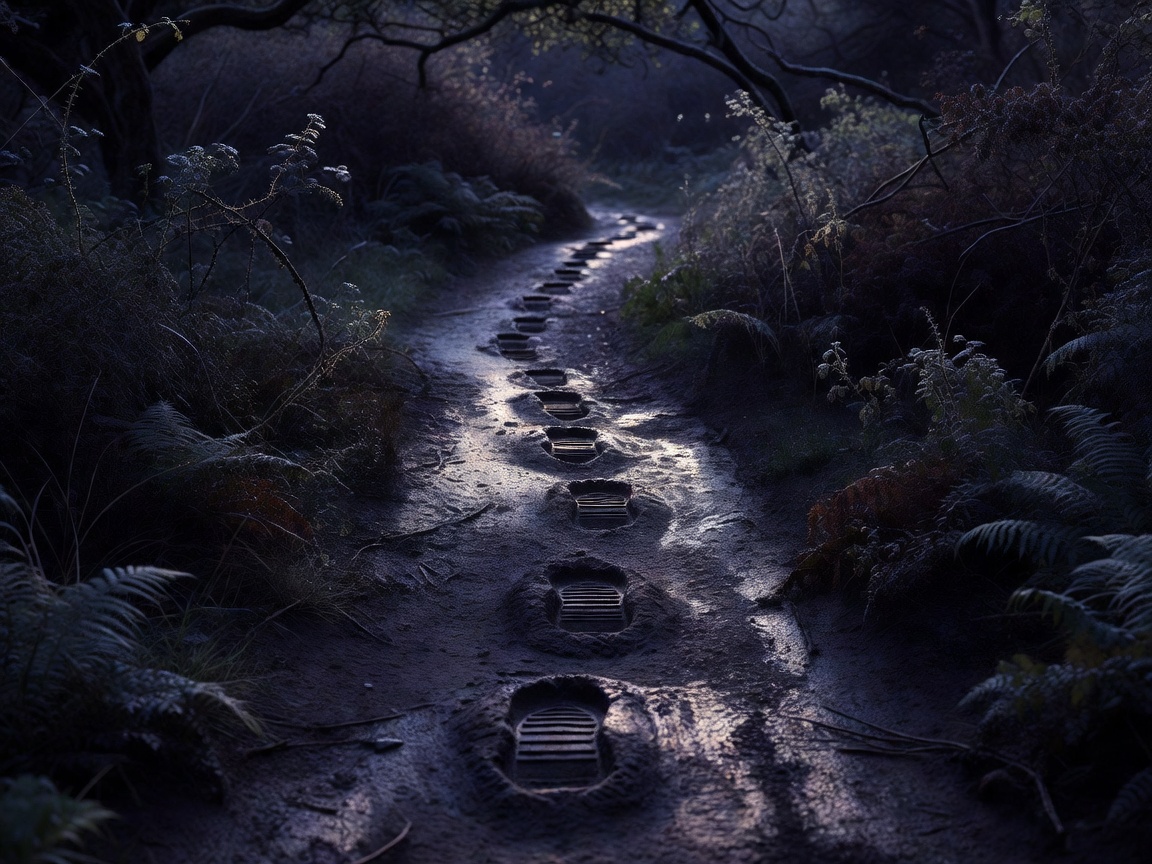
Single line of boot prints on a damp, narrow trail at dusk, surrounded by dark vegetation

Seasons, wildlife and heritage

Timing matters as much as place. In much of Europe and North America, ground-nesting birds breed from roughly March to July; dogs should be on short leads and you should stay strictly on paths. Bats roost in old walls and tree hollows, so never probe crevices. In autumn, fungi carpets are easily crushed, and in winter, waterlogged ground erodes quickly under repeated footfall.

Heritage sites deserve particular care. Ancient field systems, burial mounds and ruined chapels draw puzzle setters because they are atmospheric, but disturbing protected archaeology can be an offence. Admire them from the path and keep containers well away.

Cache In, Trash Out (CITO) events, organised by local communities, turn the hobby outward: groups remove litter, clear invasive plants or repair paths alongside rangers. Joining one is an excellent way to meet experienced explorers and understand local sensitivities.

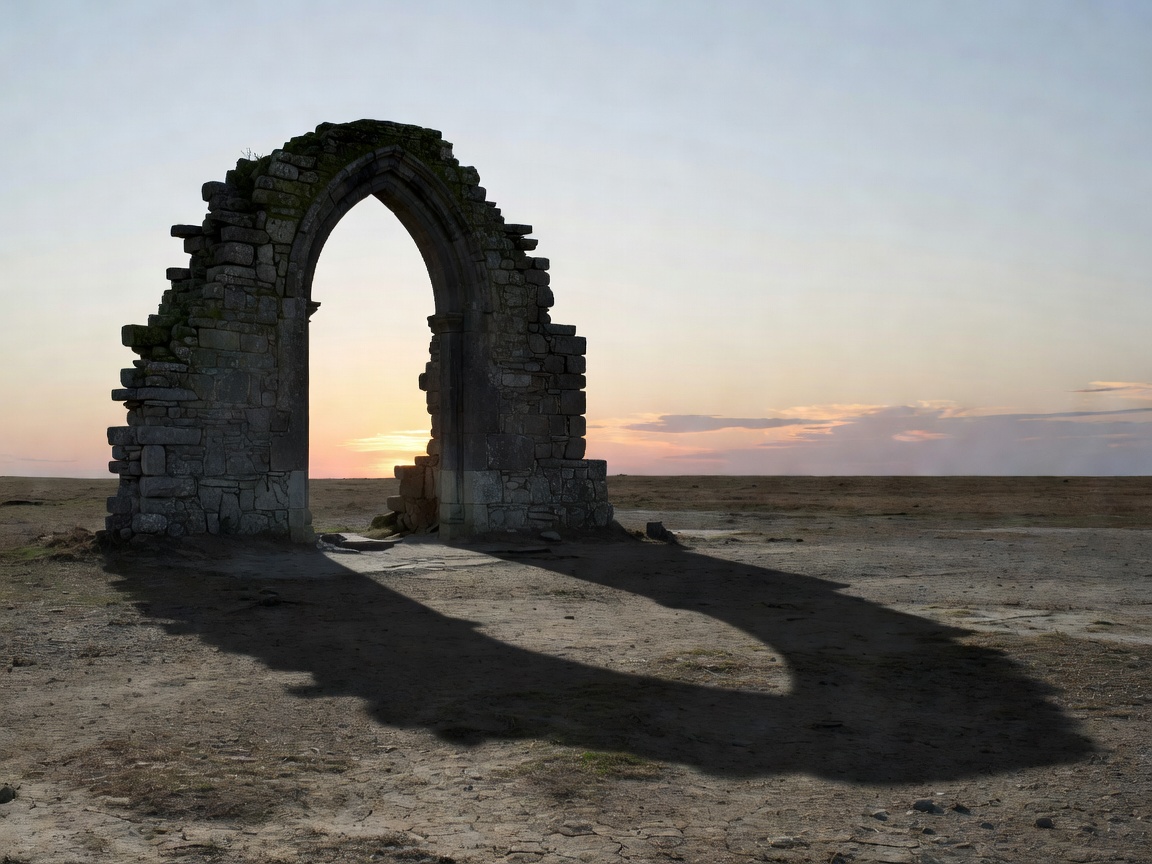
Ruined stone chapel archway in silhouette against a pale evening sky

When to walk away

The hardest skill in discovery is restraint. Walk away if the only way forward crosses private land, if the container is clearly in a damaged or unsafe spot, if wildlife is disturbed, or if your presence is worrying someone. Log a note explaining why, so the owner can review the hide. A “did not find” costs nothing; a damaged place costs everyone.